
The third cohort of the SystemLink graduate college at RPTU Kaiserslautern-Landau has launched a large-scale continental field study across Europe to understand how environmental stressors drive changes through aquatic–terrestrial ecosystem interactions.
Background
The third DFG graduate college SystemLink cohort has begun the first phase of a unique continental field study across Europe. This large-scale campaign is designed to better understand how stressors propagate between aquatic and terrestrial ecosystems, and how these interactions shape ecological communities across different landscapes.
A continent-wide field study campaign
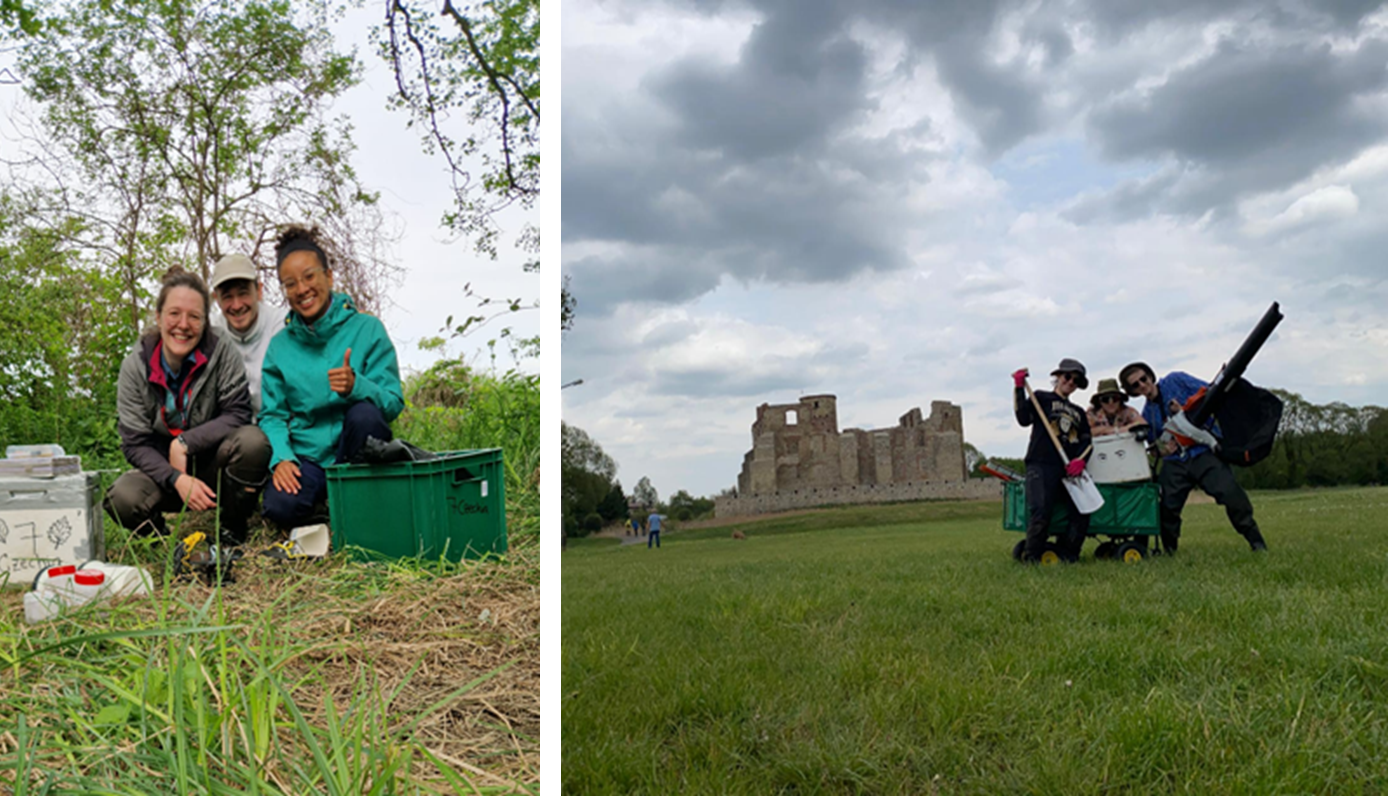
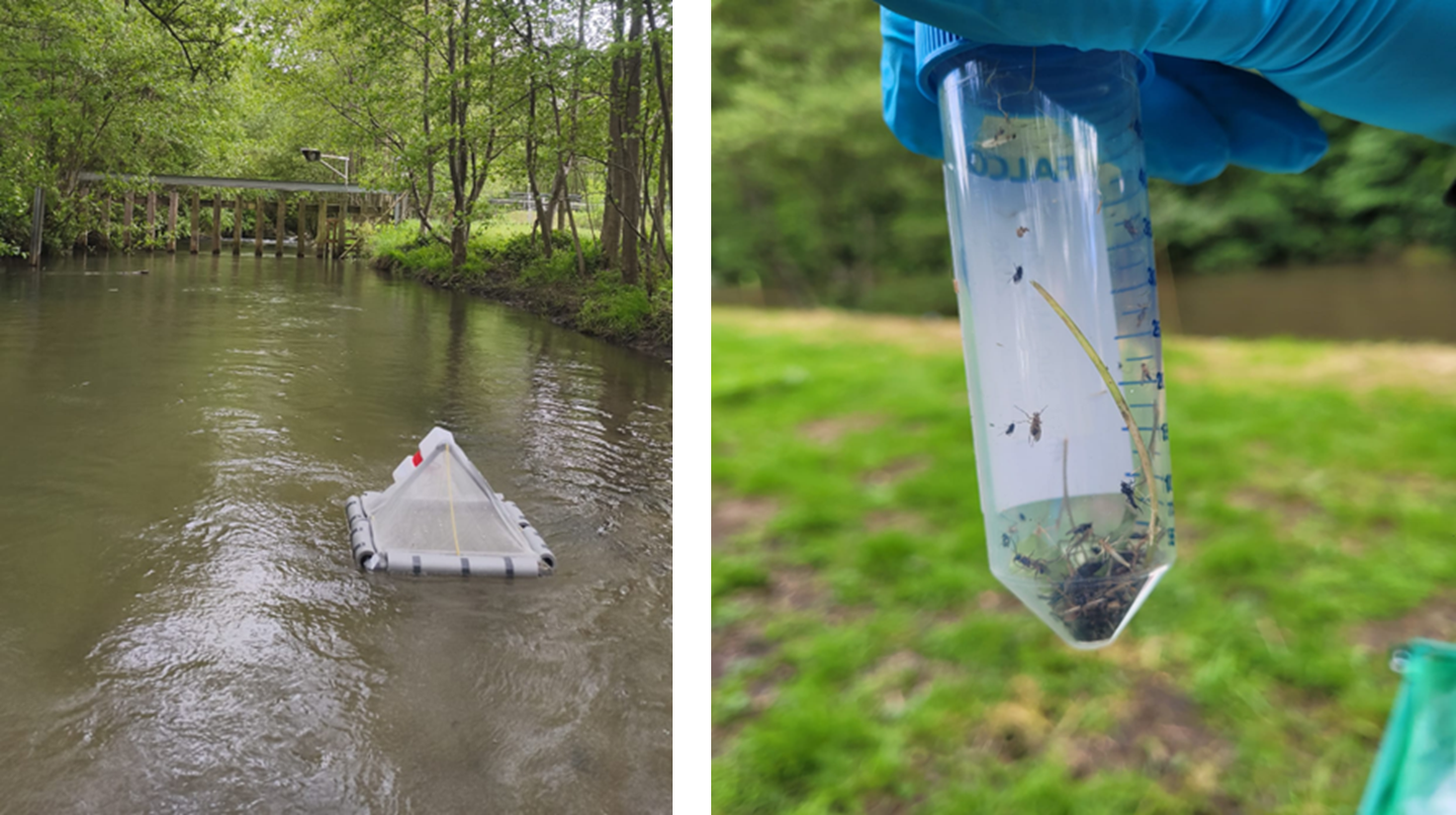
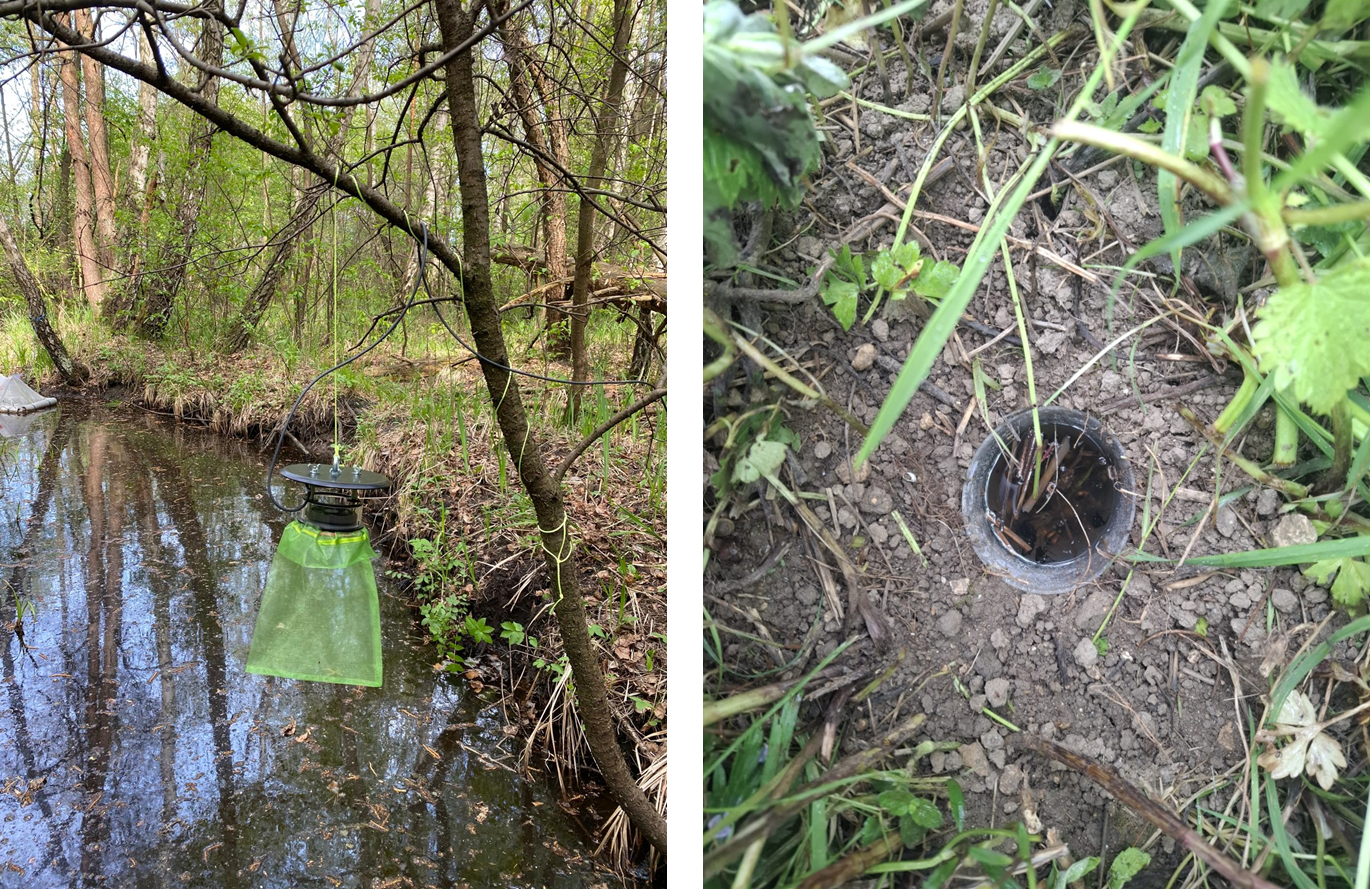
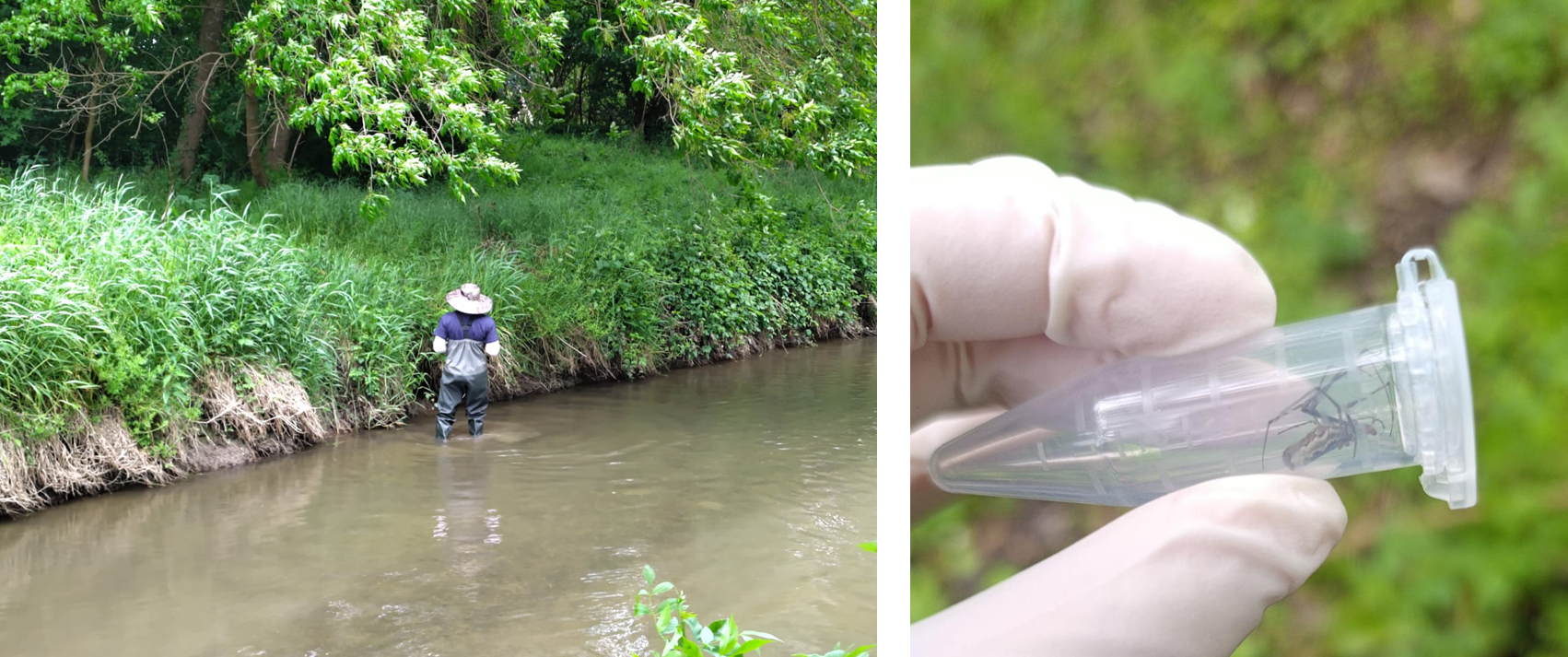
Across 10 regions and 100 sampling sites in Europe (France, Germany, Poland, the Czech Republic, Hungary, and Austria), 14 PhD students, together with numerous supporting student researchers, are carrying out extensive field sampling in both aquatic and terrestrial habitats. The sampling includes water and soil, emerging aquatic insects, terrestrial insects, spiders such as ground hunters and web-builders, and plants. These samples are collected along a stressor gradient and across different seasons, allowing the researchers to compare patterns across space and time.
The main sampling campaign runs from May to July, and the first sampling round has now been completed. Below are a few pictures from the field.
What is SystemLink graduate college?
The SystemLink graduate college is a research training group with an innovative qualification programme for early-career researchers. It investigates how bottom-up and top-down interactions in terrestrial ecosystems are influenced by exposure to anthropogenic stress originating from aquatic environments. In other words, the project looks at how changes in water systems can affect life on land through food-web links and ecological transfers.
Want to know more about the SystemLink graduate college? Visit the official website.