In this post, Jochen Zubrod reports on their recently published paper “Fungicides – an overlooked pesticide class?”.
Continue readingOverlooked but decisive: a review on fungicide risks in aquatic systems
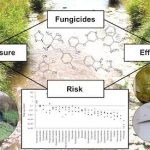

In this post, Jochen Zubrod reports on their recently published paper “Fungicides – an overlooked pesticide class?”.
Continue reading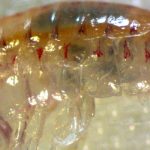
In this post, Jochen Zubrod reports on their recently published paper “Is Hyalella azteca a suitable model leaf-shredding benthic crustacean for testing the toxicity of sediment-associated metals in Europe?”.
Continue reading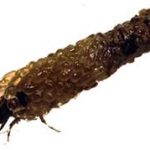
In this post, Marco Konschak writes about their recently published paper “Waterborne and diet-related effects of inorganic and organic fungicides on the insect leaf shredder Chaetopteryx villosa (Trichoptera)”.
Continue reading
In this post, Antonia Pott talks about their recently published paper “Impact of genetically modified organisms on aquatic environments: Review of available data for the risk assessment”.
Continue reading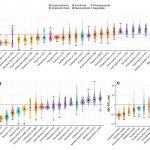
In this post, Jakob Wolfram talks about their recently published paper “Meta-analysis of Insecticides in U.S. Surface Waters: Status and Future Implications”.
Continue reading
In this post, we talk about our recently published paper “The evil within? Systemic fungicide application in trees enhances litter quality for an aquatic decomposer-detritivore system”.
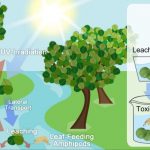
In this post, we talk about our recently published paper “UV-irradiation and leaching in water reduce the toxicity of imidacloprid-contaminated leaves for the aquatic leaf-shredding amphipod Gammarus fossarum“.
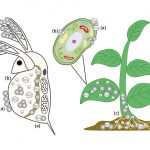
In this post, Simon Lüderwald talks about their recently accepted literature review “Nanoparticles in the environment – where do we come from, where do we go to?”.

In this post, we talk about our recently published paper “Relative importance of dietary uptake and waterborne exposure for a leaf-shredding amphipod exposed to thiacloprid-contaminated leaves”.

In this post, we talk about our recently published paper “Transient effects following peak exposures towards pesticides – an explanation for the unresponsiveness of in situ measured functional variables”.