Every Summer Semester, Ecotox Master students do a 2-month internship or AMEO (Applied Module at an External Organization). Today, Sarumi Oluwafemi shares his AMEO experience at the Helmholtz Centre for Environmental Research (UFZ) in Leipzig, working with the Department of Ecotoxicology (Systems-Ecotoxicology Working Group).
My name is Oluwafemi Sarumi. Between May and July 2025, I completed a three-month internship at the Helmholtz Centre for Environmental Research (UFZ) in Leipzig, working with the Department of Ecotoxicology (Systems-Ecotoxicology Working Group).
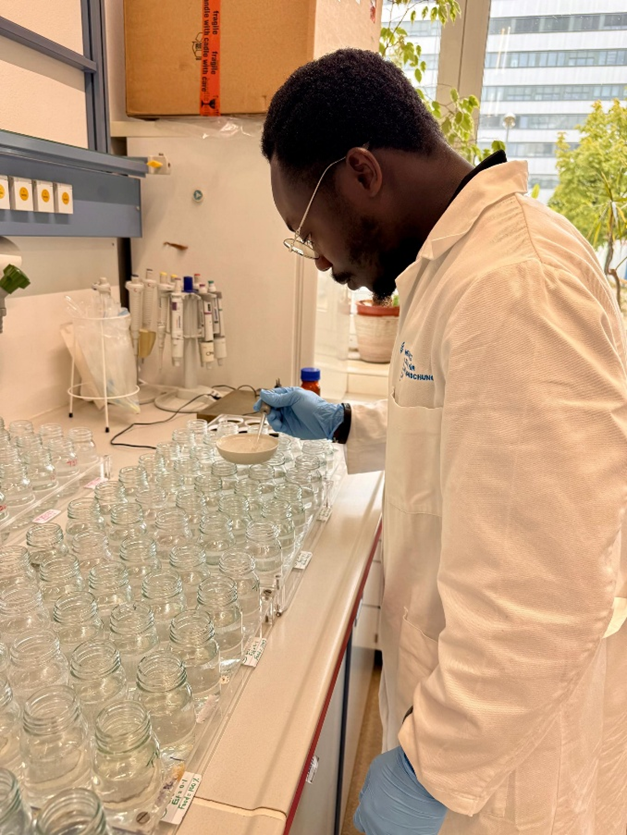
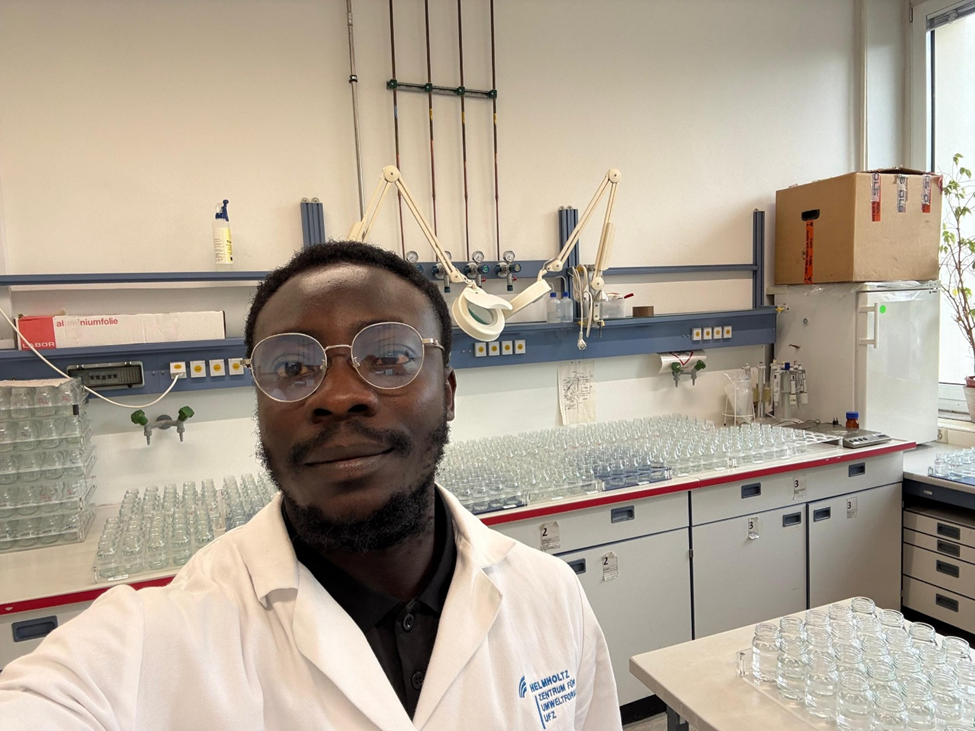
The placement started with onboarding and mandatory training in cybersecurity, data protection, environmental management, occupational health and safety, and laboratory safety. Immersion into the lab followed immediately, where I learned the fundamentals of daphnid (Daphnia magna) culturing, algae preparation (as food source), and media formulation; an essential basis for aquatic ecotoxicological research using daphnids as model organisms.
The research
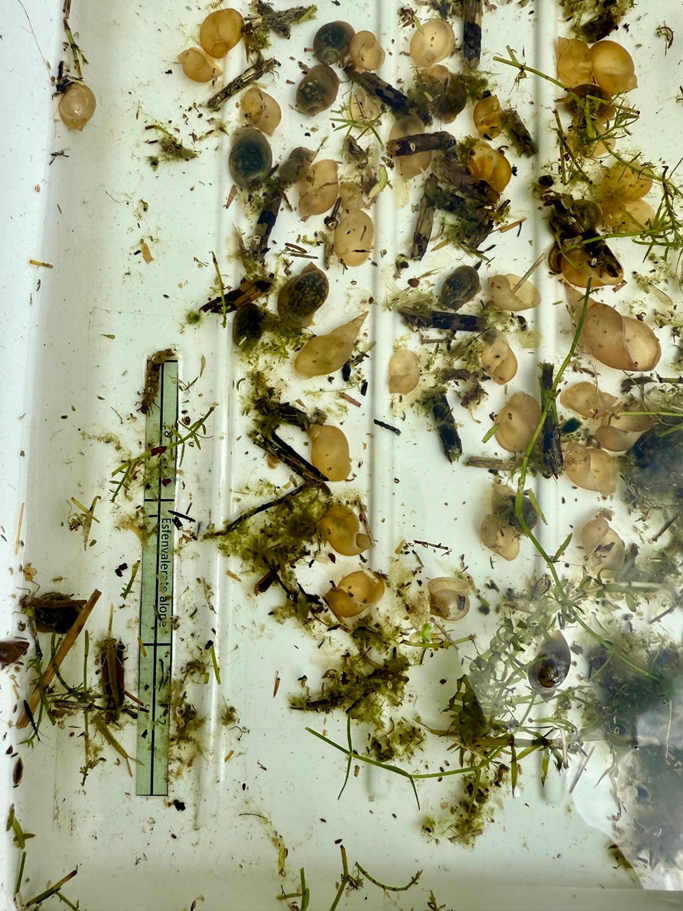
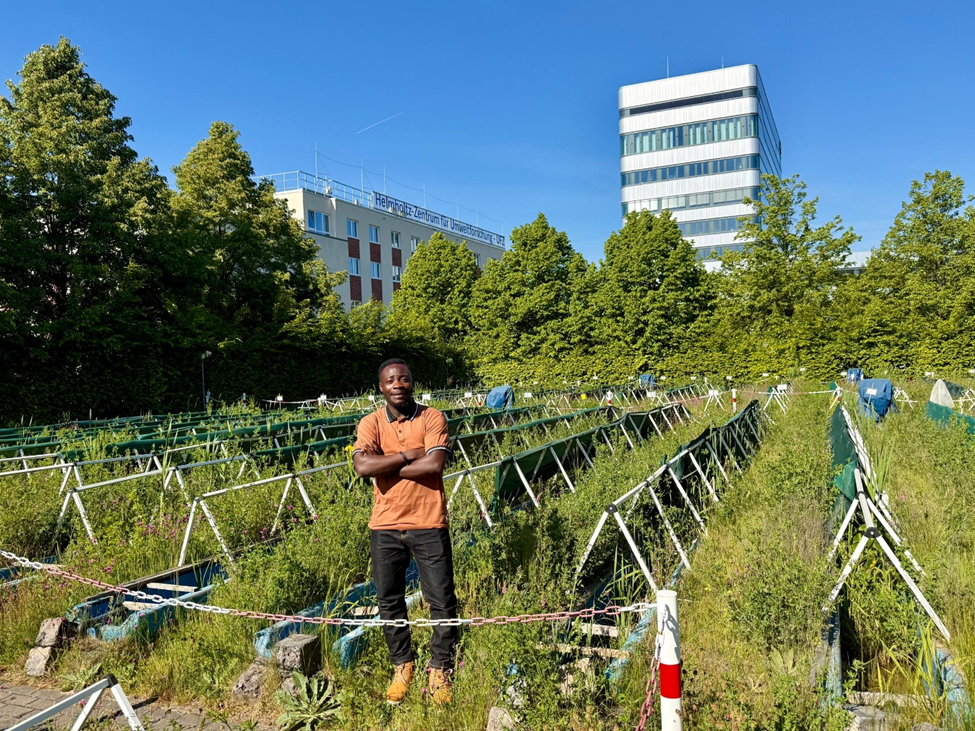
An early highlight was my exposure to an advanced stream mesocosm facility housing 47 artificial streams. Here, I assisted in sampling and identifying rare and sensitive aquatic macroinvertebrates, such as crustaceans, gastropods, odonates, and dipterans. The project assessed the effects of mixture toxicity from currently used pesticides and temperature stress on aquatic macroinvertebrate communities, applying the globally adopted SPEAR (Species at Risk) model developed by Prof. Liess (our group head) and other mechanistic models for risk assessment.
A core responsibility was to support a PhD student studying how pesticides and metals jointly affect Daphnia under food stress. The project focused on key life-cycle traits such as survival, reproduction, and population growth at environmentally relevant concentrations. I was amazed by the experimental rigor. Each experimental round included 20 replicates with seven treatments across 3–4 combinations, yielding around 420 vessels per experiment. The study was repeated over three rounds to ensure reliability and reproducibility.
Independent research
Building on this foundation, I conducted my first independent experiment (supervised) to assess the salinity sensitivity of F19-generation adapted and non-adapted daphnid cultures. The experiment involved exposing the cultures to environmentally relevant concentrations of sodium chloride for seven days post-acclimation, utilizing 180 test vessels. The primary endpoints were survival and reproduction. Simultaneously, I contributed to a literature review on chemical stressors driving biodiversity loss in Europe, supporting an EU-funded project.
Another notable experience was participating in the EU Partnership for the Assessment of Risks from Chemicals (PARC) project on alternatives to Bisphenol A. I conducted a 28-day pulse contamination experiment (supervised), exposing daphnids to varying environmentally relevant concentrations of Bisphenol S (BPS) and a constant concentration of Esfenvalerate (synthetic insecticide), while also integrating food stress conditions. The experimental setup included 420 test vessels and organisms. Survival, reproduction, and population growth were tracked and analyzed using advanced tools like the Indicate software and the Stress Addition Model, revealing new insights into complex interactions between chemical and environmental stressors. The latter laboratory (observation) phase was assisted and completed by a colleague following the scheduled end of my internship.
Beyond the lab
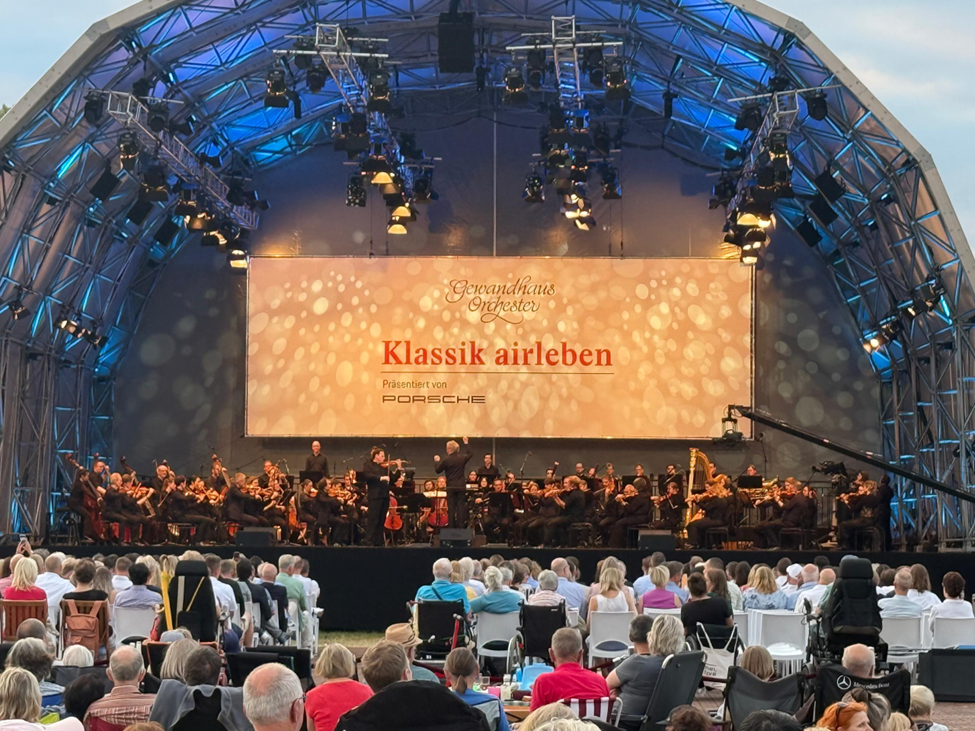
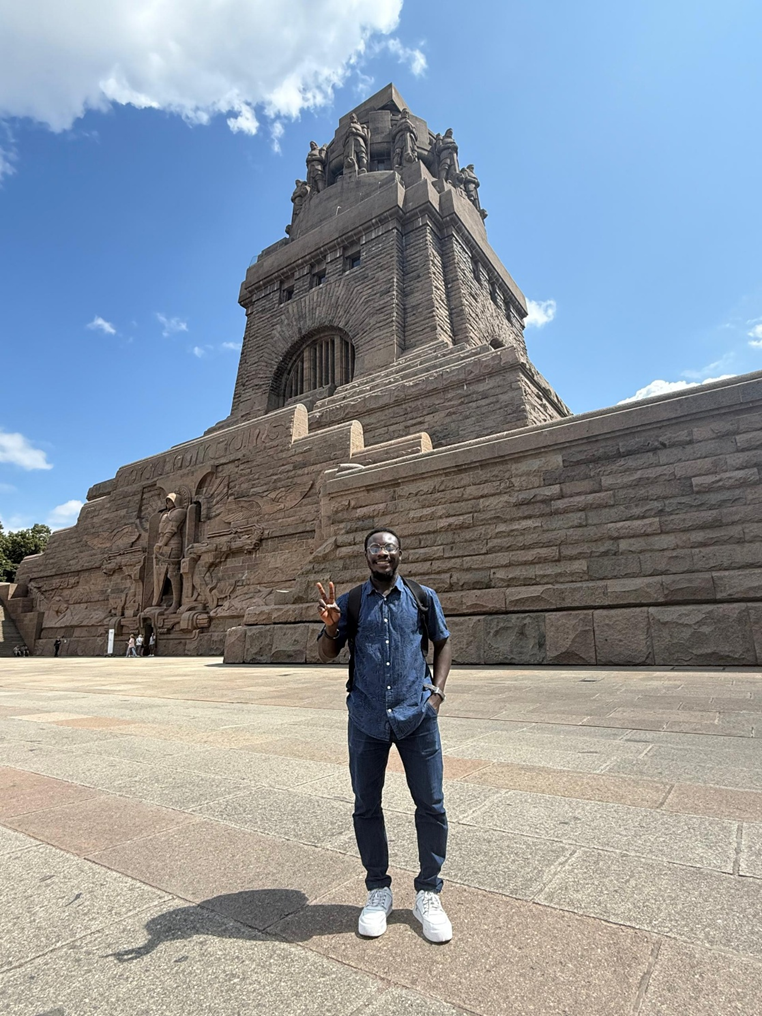
Beyond technical development, social activities including group lunches, one-off barbecue evening, and attendance at the “Klassik airleben” musical concert and the Völkerschlactdenkmal (Monument for the Battle of Nations) enriched the experience. Weekly departmental meetings promoted open exchange and interdisciplinary mentorship.
Though the internship was unpaid and required self-arranged accommodation, it was both transformative and career-defining, leaving me better equipped to help address pollution, climate change, and biodiversity loss in future ecotoxicological research.