
Every Summer Semester, Ecotox Master students do a 2-month internship or AMEO (Applied Module at an External Organization). Today, Pablo da Silva Pena shares his AMEO experience working at Hydra Marine Sciences in Bühl.
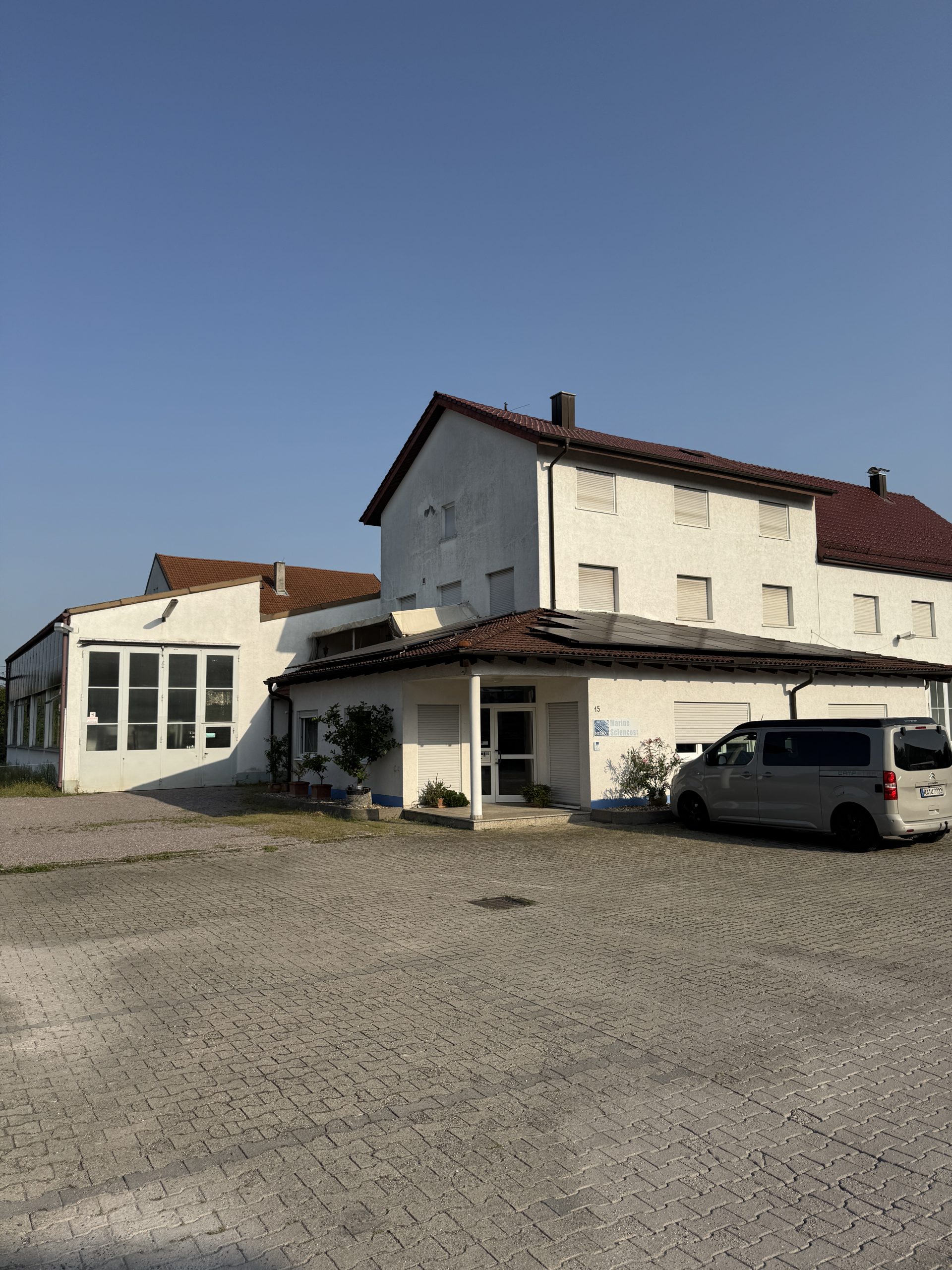
My name is Pablo da Silva Pena, and during the summer semester, I completed a 15-week internship in Aquatic Ecotoxicology at Hydra Marine Sciences GmbH in Bühl, Germany. Hydra is a research company specialising in the assessment of biodegradable polymers and plastics in marine, freshwater, and soil environments. The ecotoxicology department evaluates whether materials and their degradation products pose risks to living organisms, thereby supporting regulatory compliance, environmental certifications, and risk assessments.
During my first week, I received training in laboratory safety, quality assurance, and the use of standard operating procedures (SOPs). This ensured that all laboratory activities were performed consistently, accurately, and in line with regulatory standards. The training also introduced certification processes, audit requirements, and the importance of documentation and traceability in accordance with ISO and related guidelines. Throughout this period, I had the opportunity to become familiar with multiple ongoing projects at Hydra, gaining both foundational knowledge and analytical skills relevant to their development.
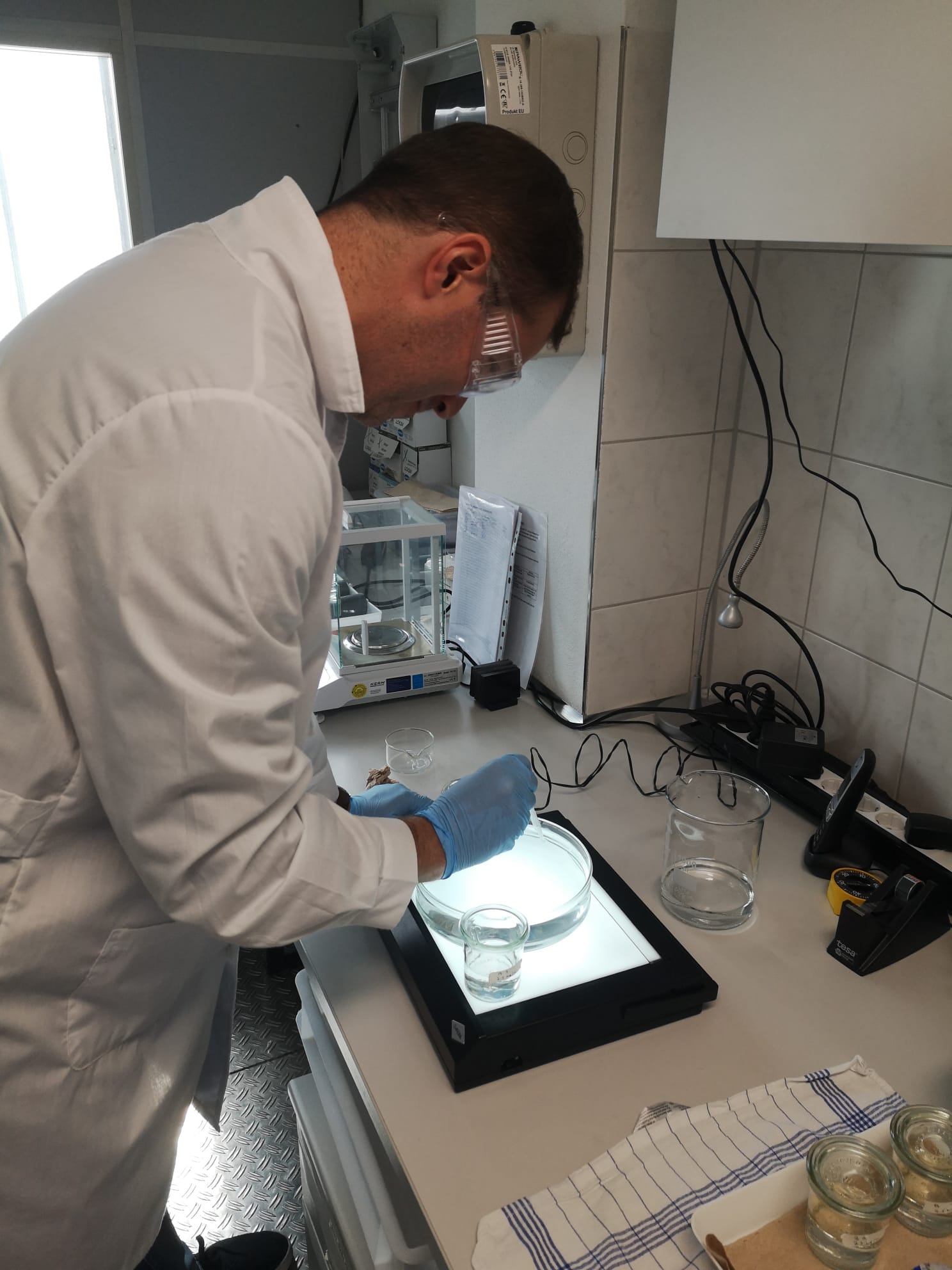
Later, I began working in the laboratory to maintain cultures of marine and freshwater test organisms, including algae and aquatic invertebrates. I performed sensitivity tests in accordance with guidelines such as OECD 201 and 202, ISO 14669, ISO 6341, ISO 8692, and ISO 10253. Additionally, I applied dose-response modelling in R and used statistical tools to analyse experimental results. Through this work, I strengthened my analytical and data interpretation skills, gained confidence in planning and conducting ecotoxicological studies independently, and developed a deeper understanding of the biology of the test species.
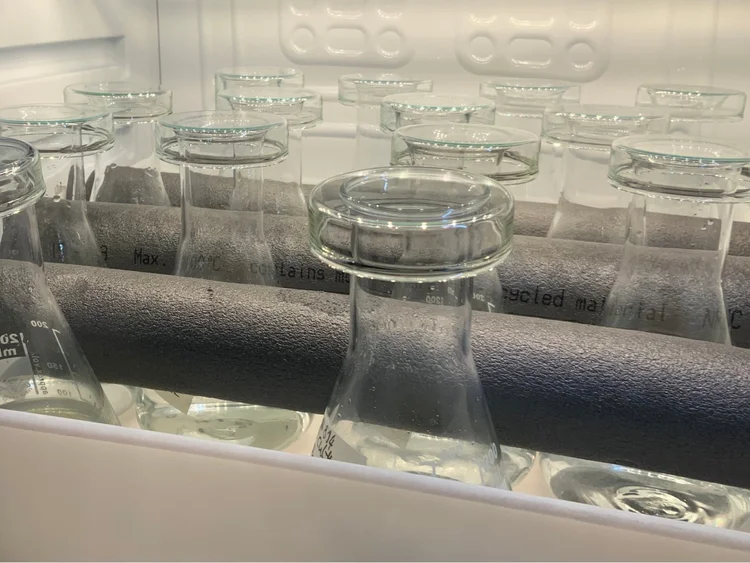
I also attended meetings with partner companies across Europe, which provided valuable insight into industry perspectives, project management challenges, and the development and standardization of new testing methodologies. By the end of my internship, I had contributed to the establishment of two freshwater culture systems and assisted in developing an innovative approach using a marine invertebrate species to assess ecotoxicological effects, in collaboration with universities, industry partners, and research institutions.
Monthly team meetings played an important role in summarising results, discussing key findings, and brainstorming improvements and potential applications. I was consistently encouraged to think critically about laboratory procedures and consider how methods could be refined and optimized.
The knowledge and critical thinking skills I gained throughout my master’s program were essential to my success during this internship. This experience allowed me to exchange ideas with professionals, improve laboratory methodologies, and acquire valuable hands-on expertise. I am grateful for the knowledge, guidance, and connections I gained during my time at Hydra, which have provided a strong foundation for my career in ecotoxicology.
During the internship, I contacted professors and researchers at RPTU who provided valuable knowledge and expertise, demonstrating the importance of collaboration between academia and industry. Hydra offered a welcoming, friendly, and supportive work environment, and I am grateful to the Hydra team, as well as to the professors and researchers from RPTU, for their support and for contributing to my professional development.