Every Summer Semester, Ecotox Master students do a 2-month internship or AMEO (Applied Module at an External Organization). Today, Lisa shares her AMEO experience at the Alfred-Wegener-Institut (AWI) in Bremerhaven
Hi, I am Lisa and I completed my internship at the Alfred-Wegener-Institute (AWI) in Bremerhaven from mid-June to the end of September. I was part of the Ecological Chemistry section and was involved in the project “Assessment of the Effect of Novel Harmful Algal Bloom (HAB) species in the Baltic Sea (HABBAL),” which was funded by the Federal Ministry of Research, Technology, and Space (BMFTR) of the Federal Republic of Germany. The project focuses on the distribution of the toxic algae Alexandrium pseudogonyaulax and Prymnesium parvum in the Baltic Sea and aims to determine the effects of these algae and the toxins they produce on the environment.
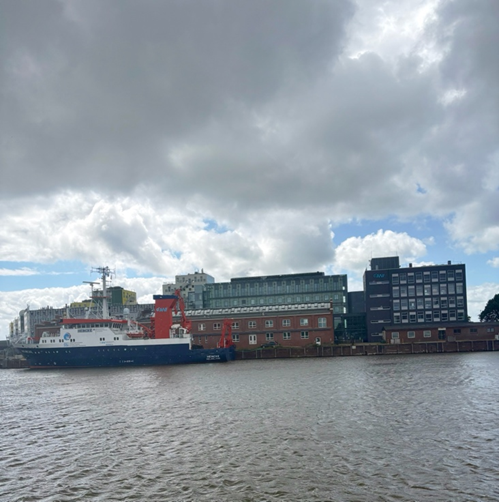
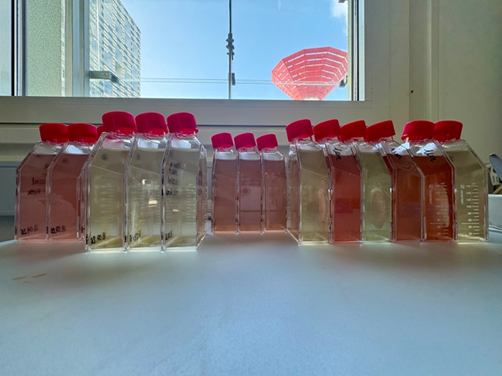
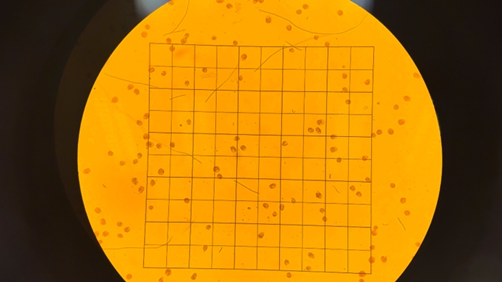
My work focused on the allelochemical interactions between Prymnesium parvum and co-existing microalgae. To investigate this research question, I carried out co-incubation experiments. I wanted to find out whether the mixotrophic alga Prymnesium parvum produces more toxins when prey algae Rhodomonas salina are present and how the two species affect each other’s growth. To achieve this, I determined the cell densities of the algae cultures by light microscopy, took samples for toxin extraction and quantified them using mass spectrometry
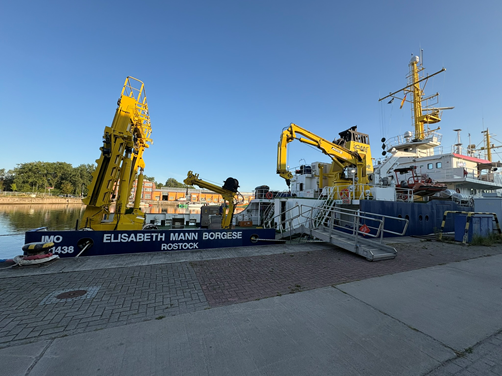
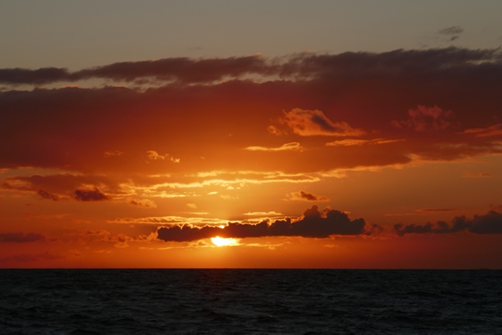
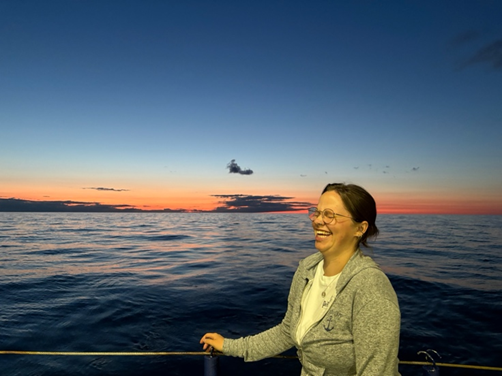
A real highlight was joining the research cruise EMB401 on the Elisabeth Mann Borgese as part of the HABBAL project. The aim of the cruise was to determine the distribution of toxic algae, with a particular focus on Alexandrium pseudogonyaulax and Prymnesium parvum in the southern and central Baltic Sea. On board I assisted with sampling the water column and sediment to identify toxic algal species and took primary responsibility for the eDNA sampling using the WP2 net to study zooplankton diversity. The working days on board were sometimes very long, but all the sunsets made up for it.