
Every Summer Semester, Ecotox Master students do a 2-month internship or AMEO (Applied Module at an External Organization). Today, Ramona Blattner shares her AMEO experience at the School of Life Sciences (HLS) at the Fachhochschule Nordwestschweiz (FHNW) in Muttenz, Switzerland.
My name is Ramona Blattner, and in the summer semester of 2025, I had the opportunity to be part of the Environmental Biotechnology research group at the School of Life Sciences at the FHNW in Muttenz, Switzerland. During my internship, I assisted in ongoing research on the bioremediation of pharmaceuticals as part of the “New System-driven bioremediation of polluted habitats and environment (NYMPHE)” project.
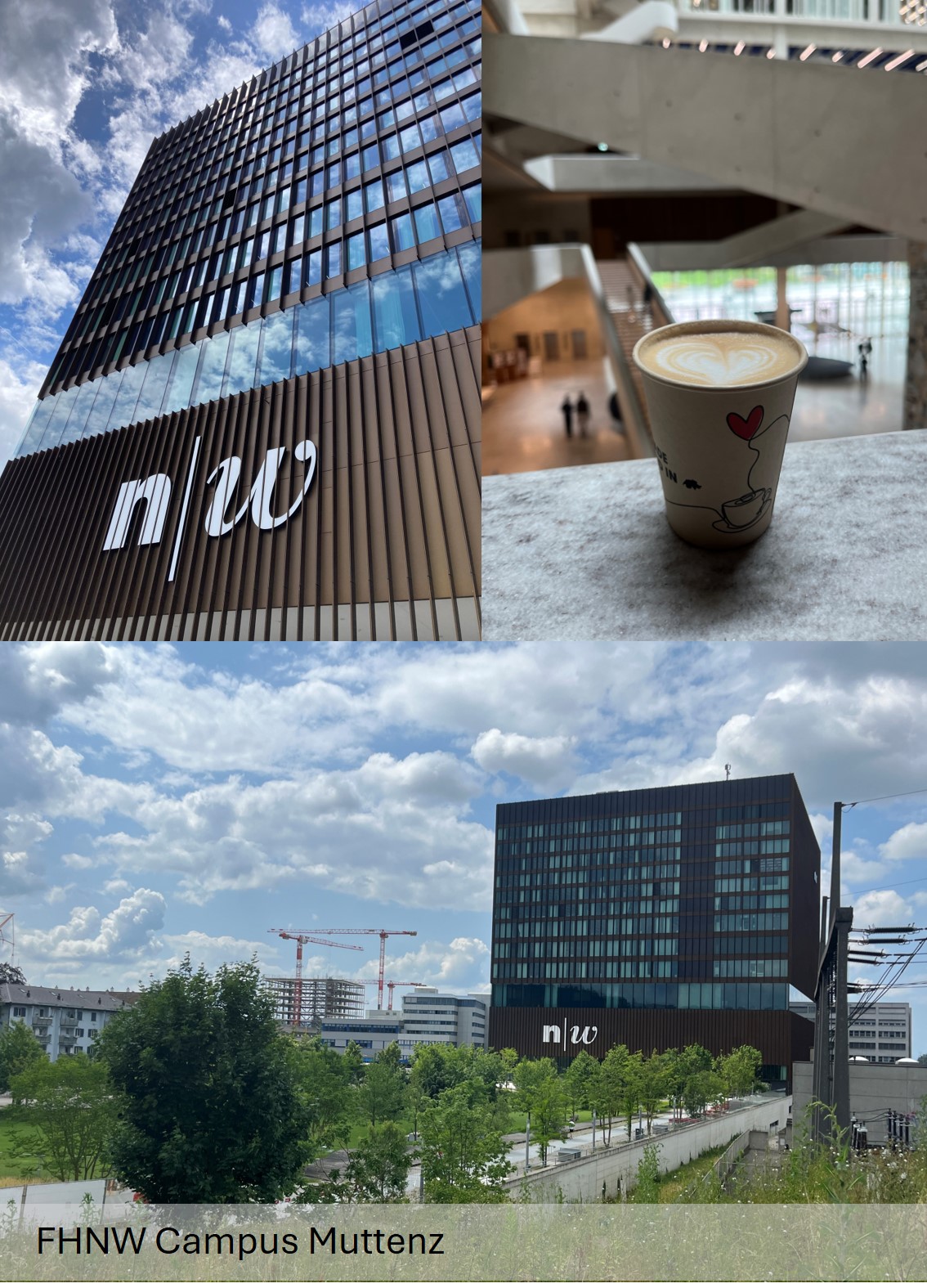
At the start of my internship, I participated in the FULLRECO4US conference, organized by the Environmental Biotechnology research group, which took place in Muttenz. Later, I settled into daily lab work, which consisted of cultivating bacteria (single strains and enrichments from sewage sludge and compost) for the degradation of pharmaceuticals and assessing their degradation capacities via HPLC analysis. To obtain pharmaceutical-degrading bacteria strains, I cultivated a bacterial consortium from activated sludge with the target pollutants in membrane bioreactors. Once the enriched sewage sludge was able to degrade the target pollutant, I started isolating bacteria on agar plates. Pure bacterial strains were then tested for their degradation performance, while colony PCR, gel electrophoresis and Sanger sequencing were performed to identify the bacterial isolates.
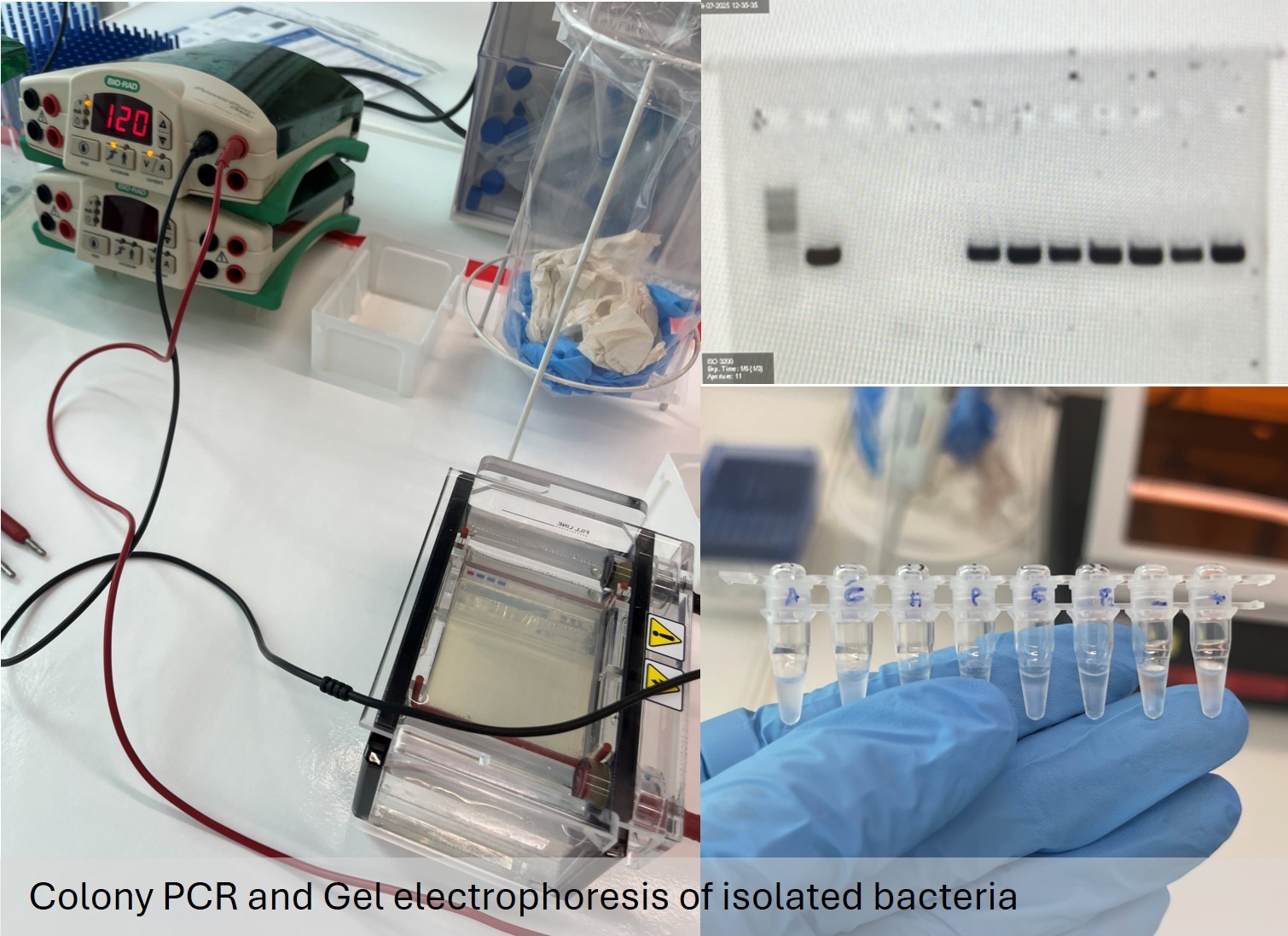
As I had previously completed my bachelor’s thesis and a three-month internship in this research group, I was already familiar with most laboratory techniques and was, therefore, able to work independently, carrying out tasks assigned by postdocs and PhD students.
Weekly group meetings (scientific discussions about the latest results) and coffee breaks (less formal meet-ups to discuss upcoming events) were a great opportunity to learn more about other projects in which I was not directly involved.
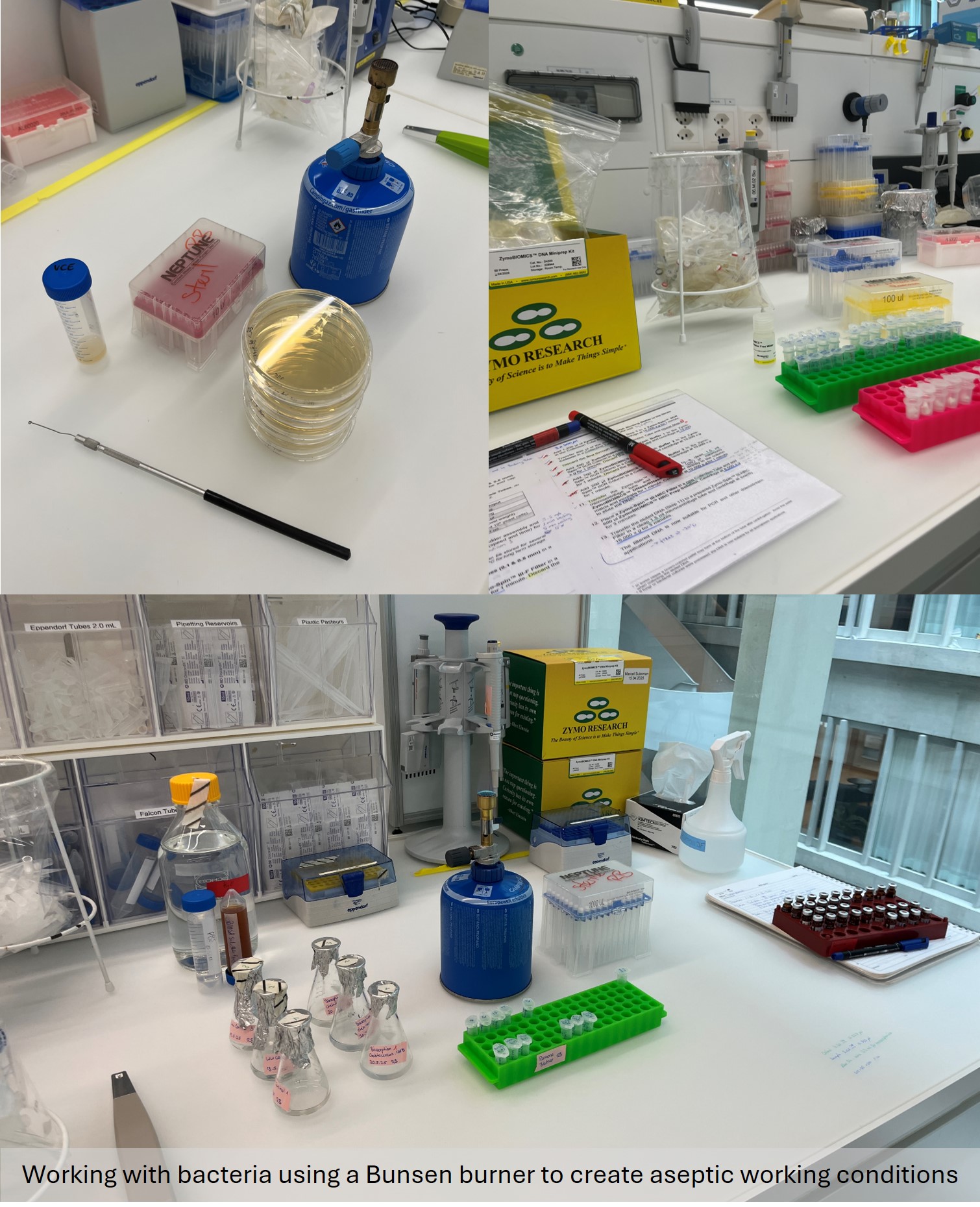
Outside of lab work, I greatly enjoyed the friendly and open working atmosphere at the Environmental Biotechnology research group. The team was highly international and consisted mainly of young scientists, including bachelor’s, master’s, and PhD students. The institute also fosters a sense of community through social activities such as its yearly barbecue event. As a fun way to break the routine, a colleague and I joined volleyball training during our lunch break once a week. Lunch breaks often took place in the common coffee room, where I could chat with people from different research groups, exchange experiences, and learn more about their work.
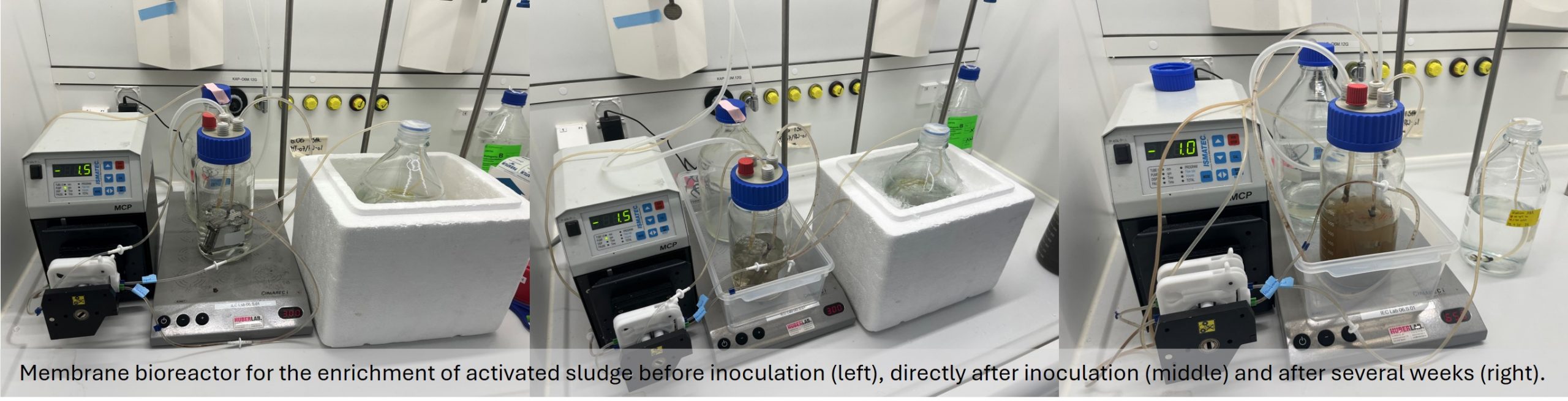
Overall, my internship allowed me to deepen my knowledge in both microbiology and molecular biology techniques, from cultivating bacterial consortia to performing genetic identification methods. I would particularly recommend this research group to anyone interested in environmental microbiology and the environmental fate of pollutants. The combination of independent lab work, a collaborative atmosphere, and opportunities to engage socially with an international team makes it a valuable and enjoyable experience.