
Every Summer Semester, Ecotox Master students do a 2-month internship or AMEO (Applied Module at an External Organization). Today, Yugeshini Rajendran shares her AMEO experience working at the BASF SE Experimental Ecology Department in Frankenthal.
Hello everyone, my name is Yugeshini Rajendran, and I completed my internship during the summer of 2025 (May – August) at the BASF SE Experimental Ecology Department in Frankenthal. Although the mandatory internship duration was two months, I volunteered to continue for an additional two months to further enhance my experience and learning.
My primary project during the internship focused on establishing a Hyallela azteca culture in accordance with the OECD Guideline 321: Hyallela Azteca Bioconcentration Test (HYBIT). This newly developed guideline serves as an alternative approach to the conventional OECD Guideline 305 (Fish Bioconcentration Test) offering a cost-effective, vertebrate-free, and environmentally sustainable method for bioconcentration studies. To facilitate its implementation, it was necessary to develop and maintain a robust in-house Hyallela azteca culture to perform preliminary and comparative testing.
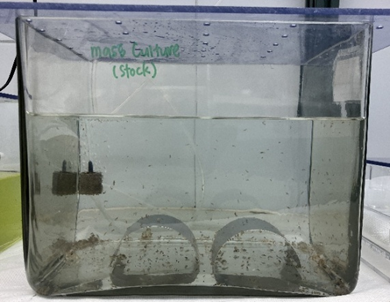
During the first few weeks, I participated in several onboarding trainings, including safety training, data protection, laboratory safety, and in-house GLP and ISO training. I also spent time reviewing research papers on Hyallela and visited BASF’s Limburgerhof site to gain insight into their existing cultures. My project required preparing and sourcing materials and glassware for culture initiation, as well as experimenting with different feeding methods, media compositions, and culture setups to determine the most suitable conditions for the lab. With the knowledge gained from literature and guidelines, I carried out daily monitoring and feeding, weekly medium changes, juvenile separation, and general culture maintenance.
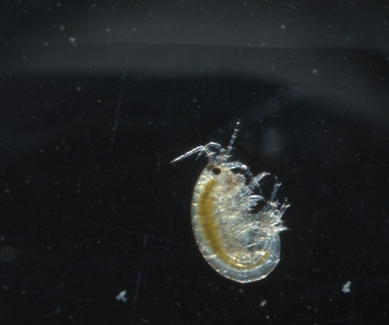
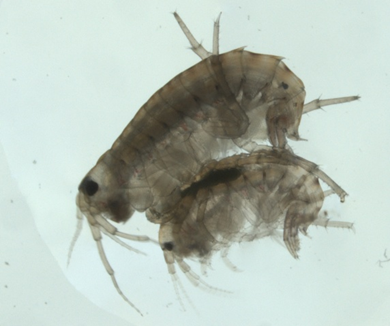
For documentation and knowledge sharing, I carefully monitored the health and development of Hyallela and documented the growth stages with photographs, creating a comprehensive guide on life stages, culturing techniques, and maintenance procedures. Additionally, I designed a non-GLP, non-ISO study plan for a 96-hour acute sensitivity test on Hyallela and successfully conducted the study.
I truly enjoyed my time at BASF, as the team was welcoming, and I appreciated being trusted to take ownership of my project. Weekly Jour Fixe meetings with my supervisors allowed me to discuss progress, share ideas, and address project needs. In addition, I also participated in weekly team meetings, which gave me valuable insights into other ongoing projects within the department.
The Experimental Ecology Department provides internal and sometimes external ecotoxicology services focused on both chronic and acute testing using Lemna, Daphnia, and Zebrafish. Thus, alongside my main project, I had the opportunity to assist in culturing algae and Daphnia. This includes the initiation, juvenile separation, and maintenance of mass and single Daphnia cultures, together with algae harvesting, stock culture propagation, and maintenance. Furthermore, I learned how fish eggs are separated and quality-assessed before being used in early life stage studies. I also gained valuable insights into how GLP studies are conducted in the industry, particularly the OECD 202 (Daphnia acute test) and OECD 210 (Fish Early Life Stage).
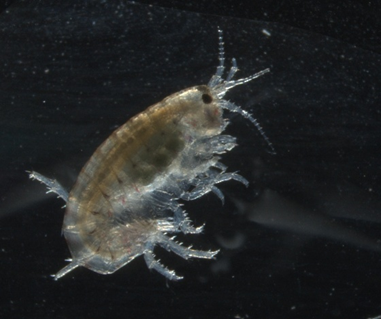
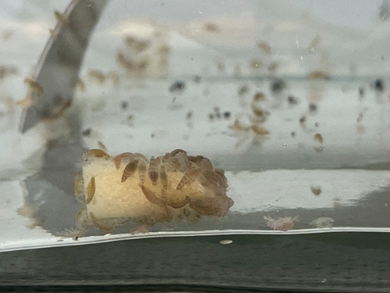
Overall, the internship was an enriching experience that significantly enhanced my laboratory and research skills. Beyond the lab, I enjoyed the friendly and supportive work culture. We often had monthly potluck gatherings, which were a great way to connect with colleagues and share good food. During lunch breaks, I loved relaxing by the nearby lake, enjoying the summer weather, and on weekends, I explored Mannheim and other nearby cities. Unfortunately, due to BASF’s internal policy, I couldn’t take or share unapproved pictures, but the photos here show some approved images of the project and the Hyalella I worked with! 🙂