
Every Summer Semester, Ecotox Master students do a 2-month internship or AMEO (Applied Module at an External Organization). Today, Dana Hiett shares her AMEO experience working on the Ecosphere Research Group at the University of Antwerp.
Hello, my name is Dana Hiett, and this summer I completed my 12 week AMEO Internship at the University of Antwerp in Belgium. The project was a collaborative effort between five European universities, and focused on impacts of chemical exposure in freshwater mesocosms. The Ecosphere research group in Antwerp hosts the project in their mesodrome facility, bringing students from all around the world to contribute and gain valuable data and research experience to supplement their Masters or Doctoral degrees.
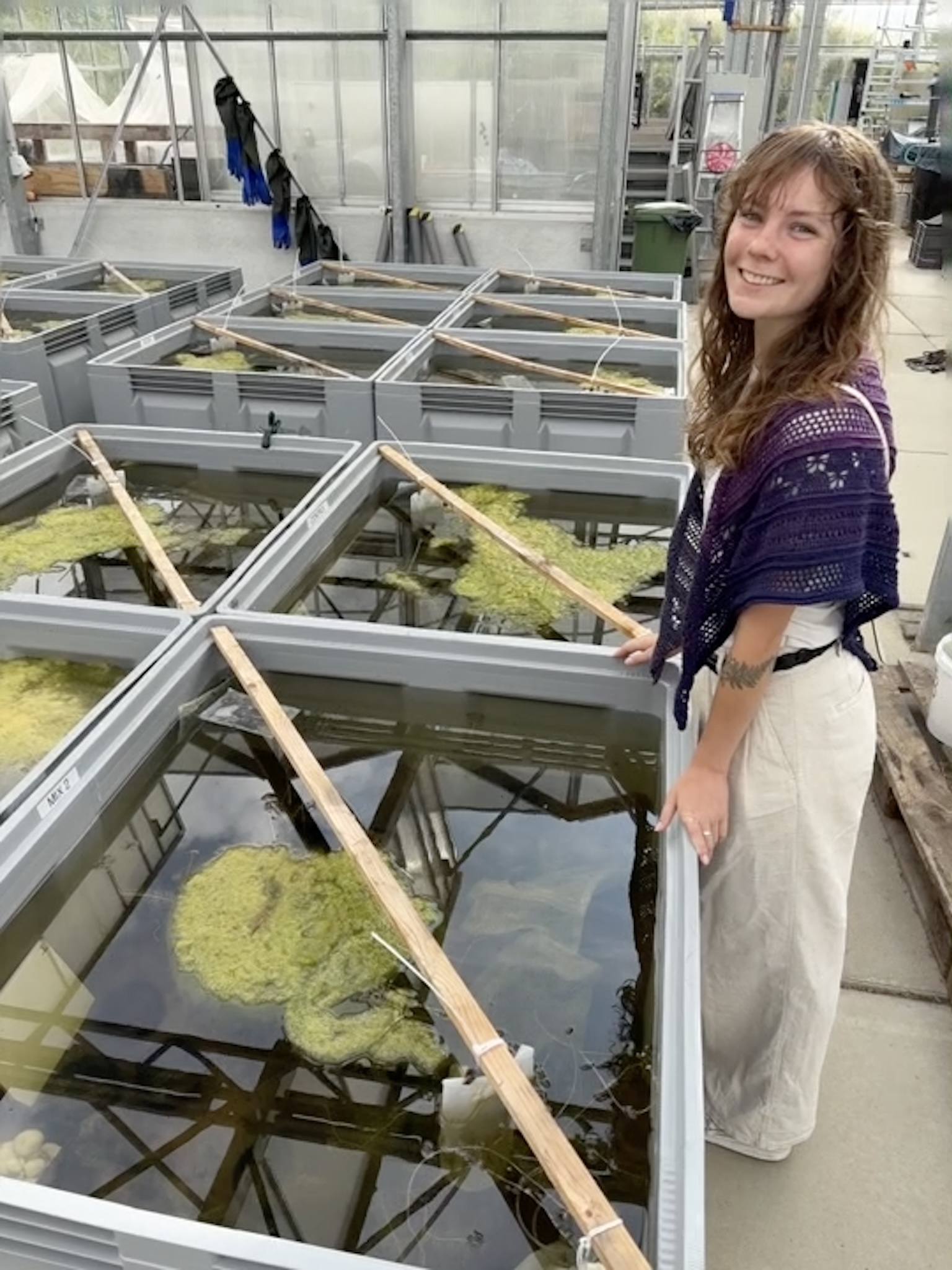
The purpose of this research was to evaluate the impacts of the fungicides Azoxystrobin and Copper on freshwater ecosystems. Each fungicide was tested independently, and two mixtures were made to get an idea of how combined stressors might influence the communities differently. Each of the thirty mesocosm tanks was set up with a blend of sand and natural sediment, and was stocked with gammarids (or Gammarus), snails, Daphnia magna, and a blend of zooplankton captured from nearby waterways. Four freshwater plant species were also added to the tanks. Regular sampling measured growth and population changes of all organisms as well as fungicide concentrations, chlorophyll content, pH, conductivity, temperature, copper speciation and nutrient levels. Although each PhD and master’s student had a specific focus area within the project, we all worked together as a group to troubleshoot issues, coordinate schedules, and fill in for each other if needed.
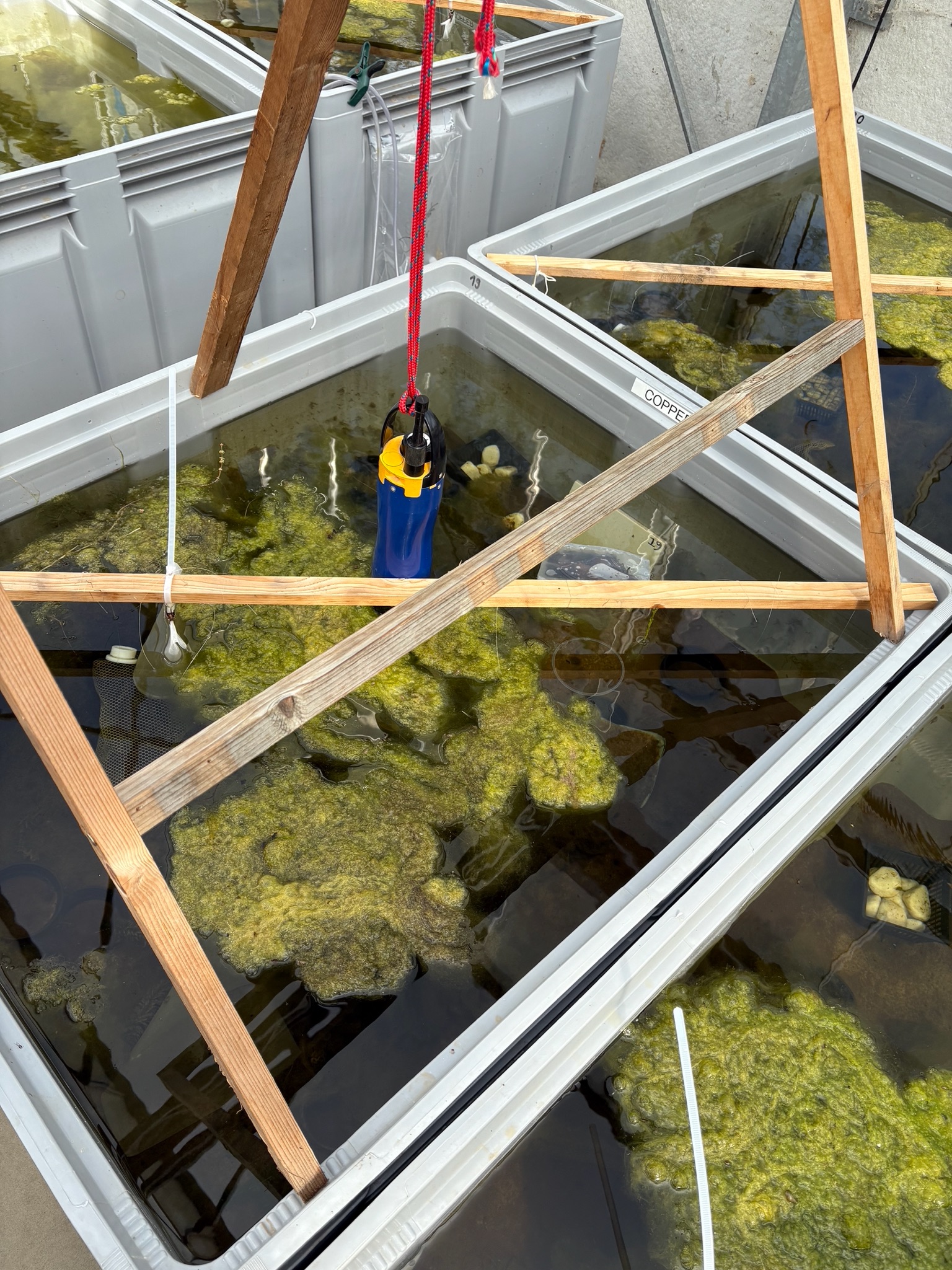
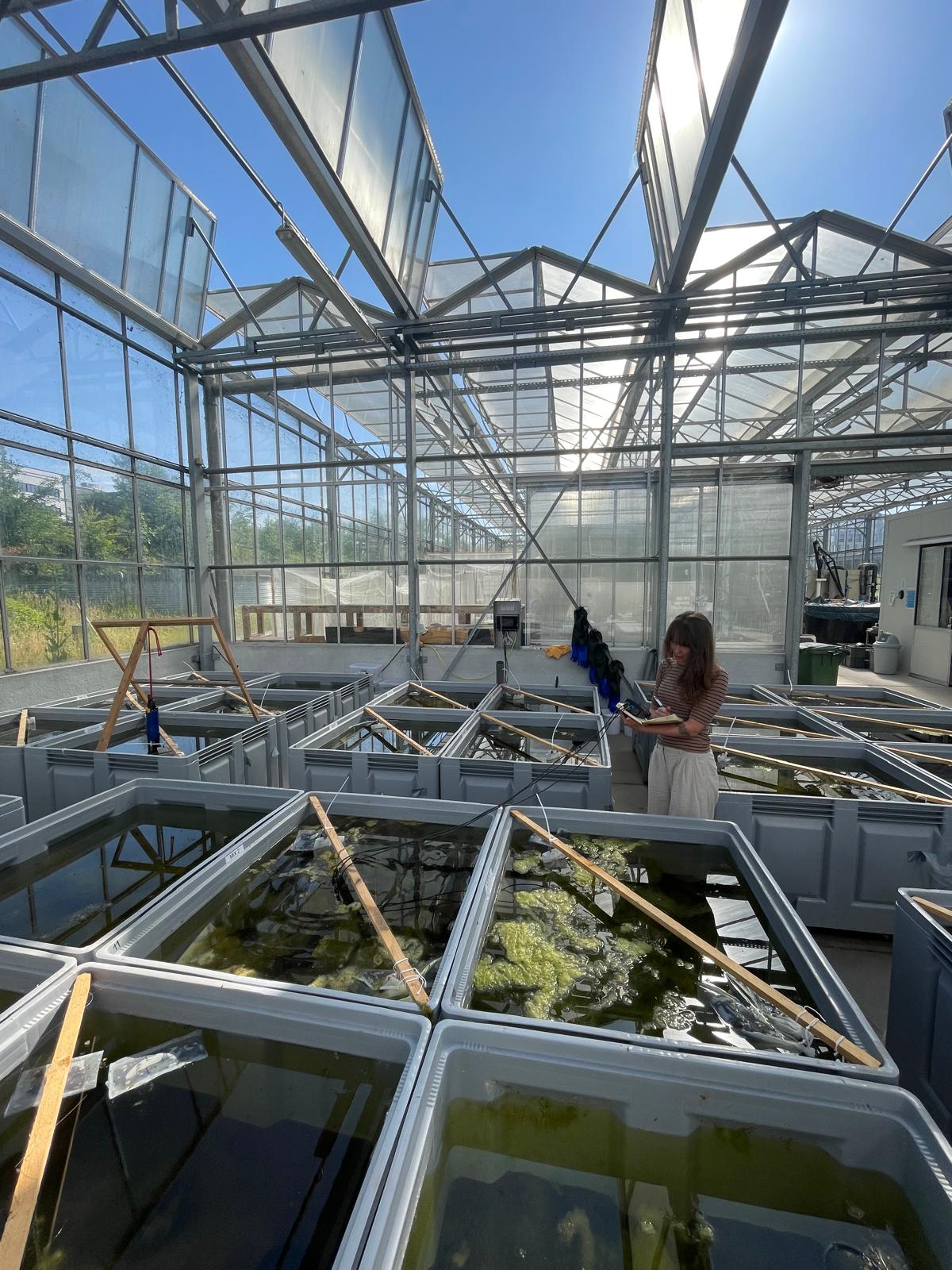
As a research intern, I worked directly under various PhD students leading the project and took over a broad range of responsibilities. I quickly came to appreciate all the hard work and preparation that goes into building and sampling for the project. I spent two full days each week helping with general water sampling, making algae test strips, weighing leaves for monitoring macroinvertebrate feeding rates, and labelling and sorting sample containers for analysis. My favourite working experience, however, was taking on the entire zooplankton monitoring system myself. I was fortunate to have supervisors who encouraged me to work independently and develop everything from sample collection procedures to preservation and analysis of the zooplankton communities.
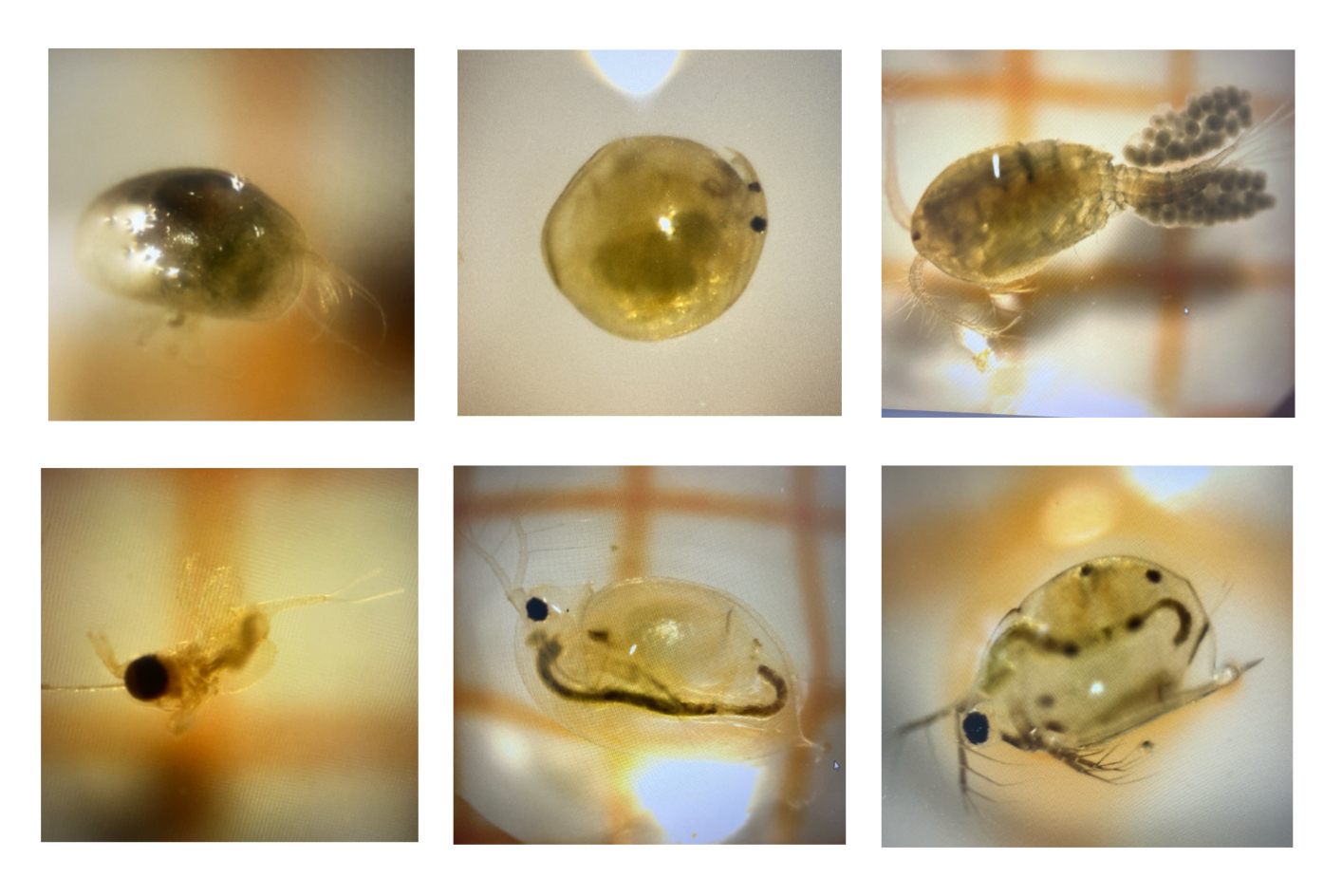
Throughout the project I was glad to have a supportive and friendly team of scientists to work alongside and opportunities to learn about all aspects of the mesocosm. I was amazed by the many different considerations that had to be considered when evaluating the data, and the vast differences that arose between tanks, even when they were in the same treatment group. External conditions such as ambient temperature, shaded areas, insulation and tank proximity , and even rainfall could all impact the daily measurements and accumulate changes in the whole pond ecosystem over time. Because the mesocosm facility was open to the outside environment, insects such as mosquitos, dragonflies, damselflies, and pond skaters began settling in the tanks, impacting zooplankton and gammarid populations through predation. This experience greatly improved my understanding of mesocosm work, and gave me great insight into what it takes to develop research questions in the growing field of Ecotoxicology.
I would like to thank the University of Antwerp, especially my supervisor, Dirk de Leijer, for welcoming me into this project, and the Erasmus+ Traineeship program for providing me with a scholarship fund to make this opportunity possible. Please feel free to contact me if you have questions about this project, or to follow along with our publications in the coming years.